Understand what each method is doing
Soft washing generally pairs a compatible cleaning solution with controlled application, dwell, and a measured rinse. Chemistry can do much of the work on suitable organic film, pollen, bird residue, and atmospheric soil, reducing the need for aggressive impact. That does not make low pressure automatically safe. Dilution, dwell, rinse direction, surface temperature, wind, plant protection, public separation, and runoff controls all affect the result. A weak mortar joint, old coating, window seal, or repaired panel still needs a condition review.
Pressure washing depends more on mechanical force. It can fit selected durable concrete, service aprons, loading surfaces, and sound hardscape when nozzle, distance, angle, flow, and water destination are controlled. Too much force can etch concrete, strip a coating, drive water into joints, damage mortar, mark soft stone, or create striping. A machine setting is not a scope. The proposal should explain where pressure is appropriate, where chemistry is more useful, and where neither addresses a leak, corrosion, efflorescence, or damaged facade.
Match Grand Forks residues to the substrate
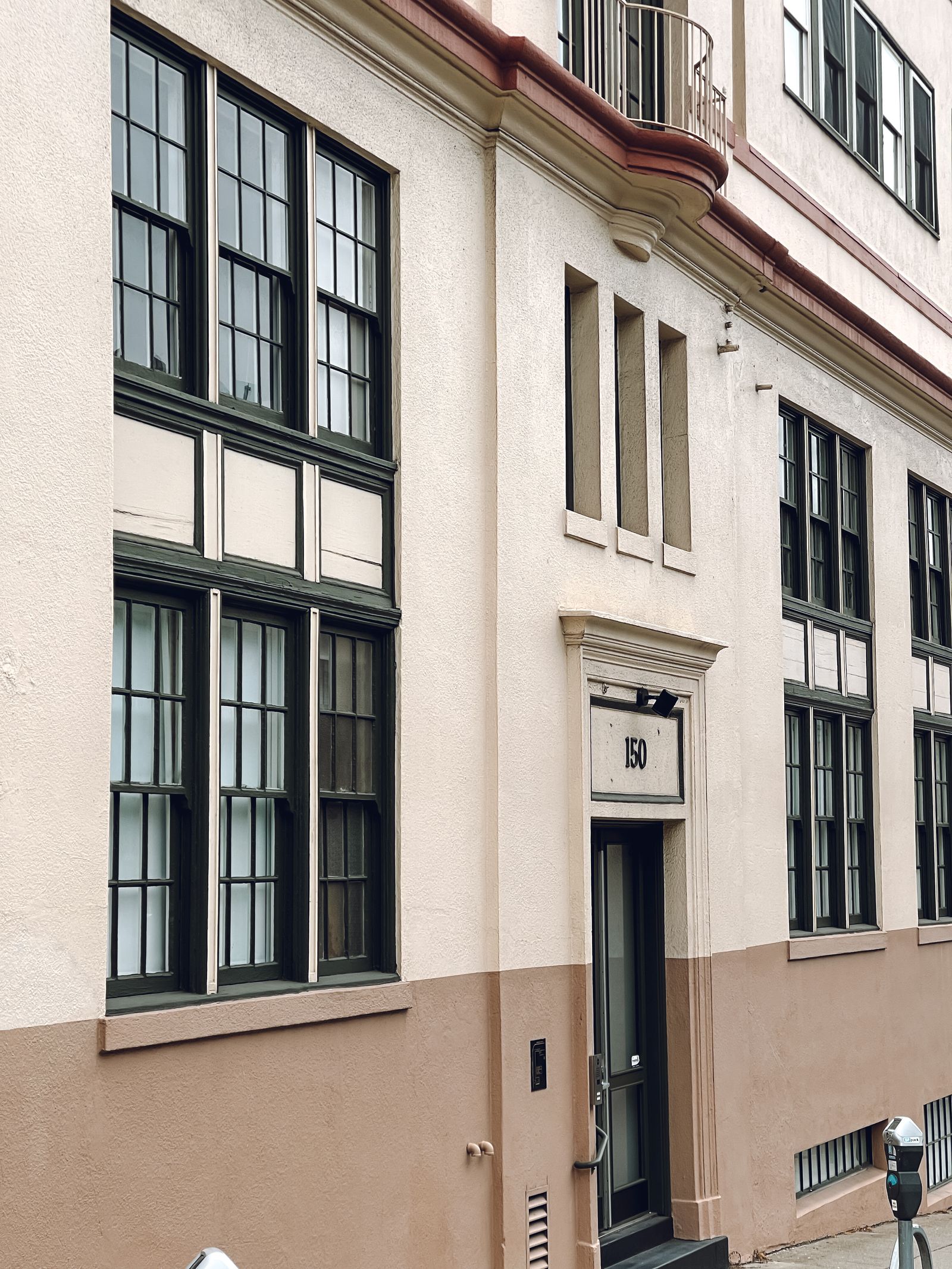
Brick and mortar require attention to porosity, joint condition, age, previous repairs, and water absorption. Concrete at a medical entry, retail walk, or loading area may tolerate controlled pressure in one zone but need a gentler treatment where it is cracked, coated, polished, or spalled. Metal panels may show oxidation, chalking, road film, or coating failure rather than organic growth. Glass, EIFS, stucco, stone, awnings, signs, and sealants each need compatibility decisions. One elevation can contain several materials around a storefront, canopy, sign band, or repaired section.
The residue gives clues but not a final diagnosis. Green or dark film on a shaded wall may be compatible organic growth. A white crust at a lower entry may be salt or mineral deposit. Rust-colored bleeding can indicate corrosion or water movement. Black material may be soot, tire splash, or organic film. A streak below a parapet may return if the flashing or downspout remains defective. Grand Forks snow, ice, sand, and salt can put a different soil on the lower three feet than on the upper wall, so a single method across the facade can be a poor fit.
- Review brick joints, concrete condition, glazing, panels, coatings, sealants, and repairs.
- Identify whether the deposit is organic, mineral, salty, oxidized, soot-based, or drainage-related.
- Use a representative test area when finish history or cleaning response is uncertain.
- Separate washing from masonry repair, coating removal, corrosion treatment, and glass polishing.
Let snow, wind, and freeze-thaw affect the timing
The best method in July may be the wrong plan in a cold shoulder season. Snowbanks can block lower walls and drains. Ice can make a finished sidewalk unsafe. Freeze-thaw movement can widen cracks or loosen a finish that looked sound in a photograph. Salt and sand can collect at door thresholds, curb returns, parking-lot edges, and accessible routes. Wind can carry dust and redirect spray, while rapid drying on a sunny wall can make a rinse uneven. Forecast temperature, wind, precipitation, surface moisture, and drying time should be part of the selection, not a note added after the date is booked.
The City of Grand Forks publishes winter operations for snow and ice control and notes that main and secondary arteries receive priority treatment. A property team should coordinate cleaning with its snow contractor, sidewalk clearing, parking restrictions, tenant access, and reopening standard. A contractor should explain when work pauses because of freezing conditions, wind, precipitation, lightning, or unsafe public movement. A lower-wall salt deposit may need a controlled treatment and rinse after the site is clear, not a stronger spray applied through slush.
Compare runoff and Red River Valley drainage realities
Grand Forks has a specific flood and drainage context. The City describes the community's location in the Red River of the North floodplain, flat river slope, northward drainage into frozen reaches, spring snowmelt, summer thunderstorms, and English Coulee flood hazards. The city's flood-protection project reduces risk for much of the community, but it does not make every parking lot, low point, inlet, or overland flow path interchangeable. A cleaning plan should observe actual site drainage and follow applicable stormwater requirements rather than infer safety from the presence of a levee or floodwall.
Ask where rinse water, loosened sediment, salt, and product residue will go. A storm drain, landscaped swale, parking-deck low point, detention feature, or neighboring property may need diversion, collection, recovery, filtration, reduced rinse volume, or authority coordination. The method that uses less pressure can still create a runoff problem if its water path is uncontrolled. Document drains, slopes, low points, plant zones, discharge assumptions, and stop conditions before work starts.
Choose access with the corridor and facility in mind
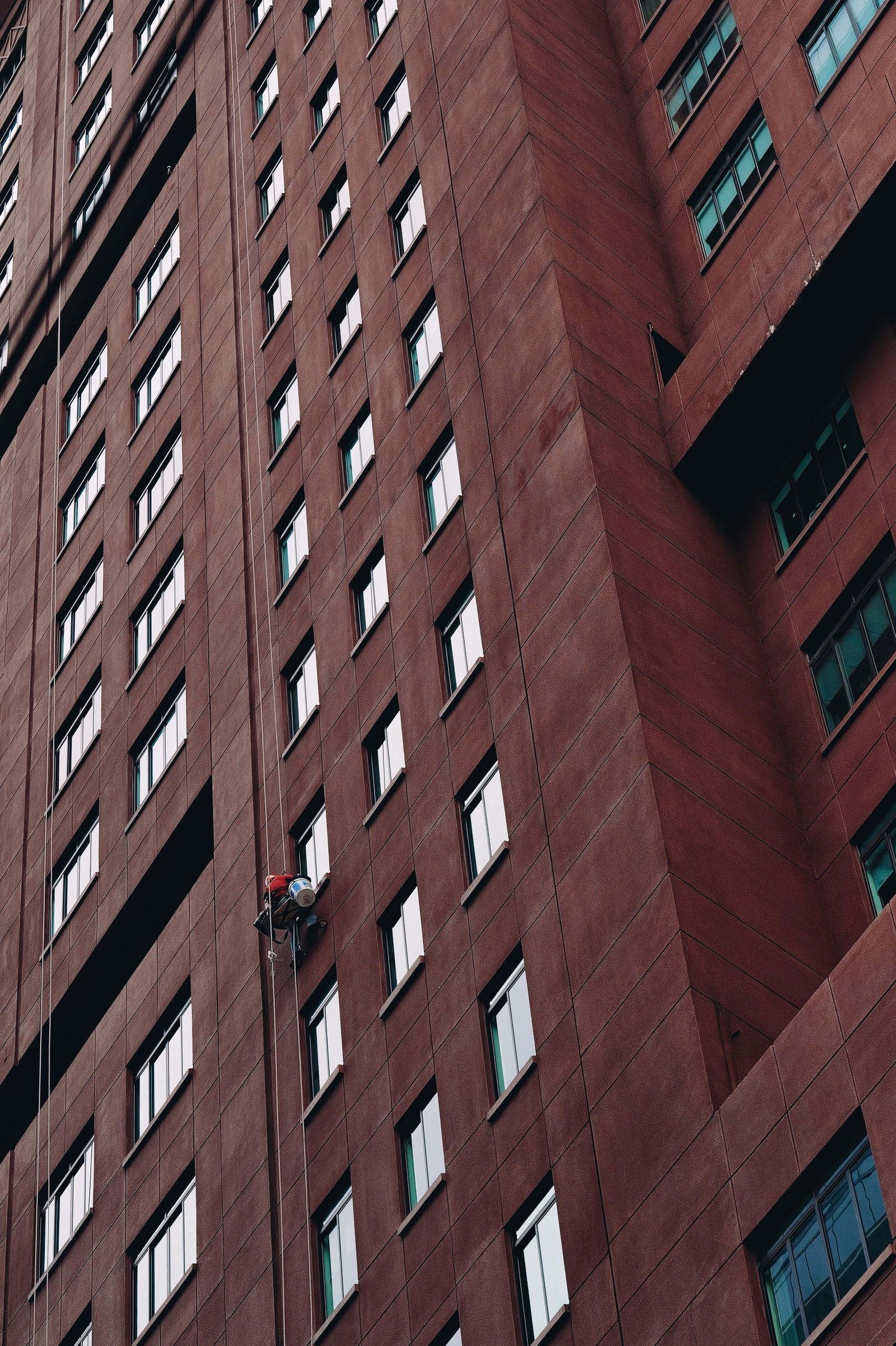
Downtown Grand Forks usually favors compact staging, pedestrian separation, hose management, and short phased windows. University Avenue can require coordination with students, staff, clinics, retail tenants, parking, and transit movement. Retail and medical corridors near Columbia Road and South Washington Street may have drive-through lanes, landscaped islands, patient drop-off, and several doors to keep usable. Industrial and warehouse corridors add truck routes, docks, trailers, security, utilities, rooftop equipment, and shift schedules. A lift, pole, hand work, controlled pressure, soft wash, and aerial assistance can all have a place, but none should be selected from height alone.
Drone assistance may reduce repositioning on a suitable broad upper elevation when launch space, wind, visual control, airspace, obstacles, public separation, and a protected ground team support it. It cannot replace contact detail at doors, windows, signs, recesses, bonded deposits, or architectural trim. A commercial operation must follow applicable Federal Aviation Administration requirements. Ask for the aerial zone, ground controls, fallback access, and non-aerial work before treating drone assistance as the whole answer.
Turn the comparison into a quote you can approve
A useful proposal identifies the material and residue by zone, proposed method, test areas, access, protection, weather limits, water source, drainage controls, operating window, exclusions, expected finish, and closeout documentation. It should say what is not included: failed coatings, corrosion, active leaks, mineral restoration, damaged masonry, specialty glass, and envelope repairs may need separate work. Request photographs and notes for areas that remain so the result can be compared with the original condition without pretending every mark was cleanable.
Send the address, wide and close photos, approximate height, materials, target elevations, snow or salt concerns, tenant or production limits, water access, drains, and preferred dates. Drone Building Cleaners can discuss a one-time facade reset, phased work, recurring maintenance, high-access rinsing, or a hybrid plan for Grand Forks offices, clinics, retail, university-area facilities, warehouses, and industrial properties. Call +1 239-351-2897 or email contact@dronebuildingcleaners.com to get in touch and request a quote.