Scope the building people actually use
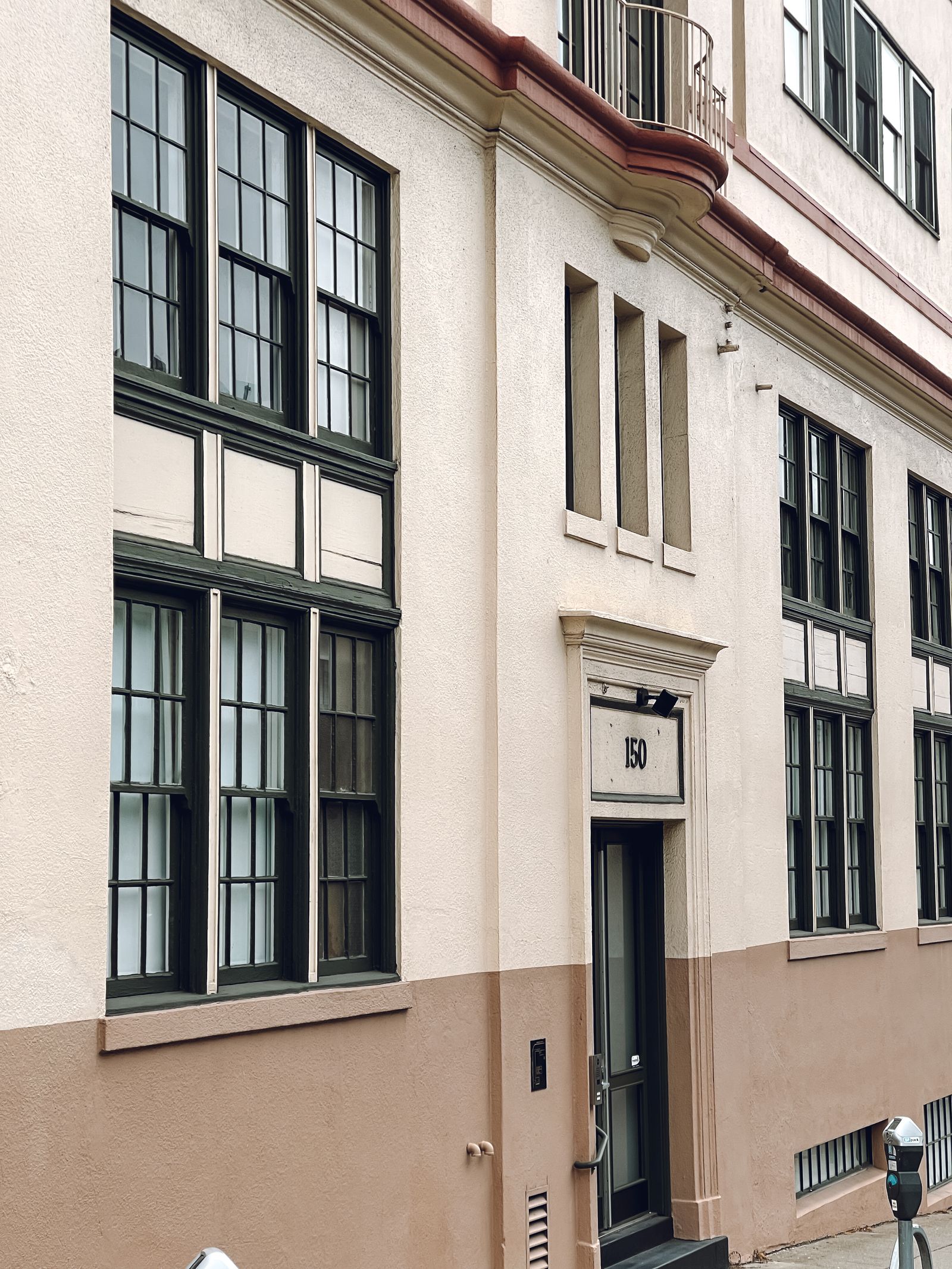
A commercial exterior is part of the daily experience for customers, patients, tenants, students, staff, and delivery drivers. In downtown Grand Forks, a facade may sit close to sidewalks, curb parking, restaurants, apartments, public entrances, and event activity. Along University Avenue, a clinic, office, student-facing business, or retail center may need a clean appearance without blocking accessible paths or peak arrival times. On Columbia Road, South Washington Street, or the Gateway Drive area, a property may have larger parking fields, drive-through lanes, truck movements, and multiple tenant entries. The quote should identify the elevations that matter most and sequence them around the people using the site.
Grand Forks buildings often combine brick and mortar, concrete, glass, painted metal, EIFS, stucco, stone, awnings, canopies, sealants, and repaired sections. Soft washing may suit compatible organic film, bird residue, pollen, and atmospheric soil when the material and finish support the chemistry and rinse. It is not a fix for cracked masonry, open joints, failed flashing, oxidation, efflorescence, damaged coatings, or a leaking downspout. A test area can separate a cleanable deposit from a restoration or building-envelope issue before the property commits to a full elevation.
- Separate masonry, concrete, glazing, metal, EIFS, stucco, stone, coatings, and repaired areas.
- Identify organic film, salt, mineral deposits, oxidation, soot, bird residue, and drainage streaks.
- Prioritize customer entries, patient routes, tenant-facing elevations, docks, and visible lower bands.
- Keep repairs, coating replacement, glass polishing, and envelope diagnosis outside routine washing.
Plan around downtown, University Avenue, and working corridors
Downtown work needs a pedestrian and curbside plan. Protect sidewalks, accessible routes, storefront glass, restaurant seating, parked vehicles, doors, signs, and neighboring businesses. A property manager may prefer an early window, a phased elevation plan, or work coordinated with deliveries and events. University Avenue properties can have steady student, staff, patient, and customer movement, bus stops, parking-lot circulation, and entrances that cannot be casually closed. Confirm who can authorize barriers, where hoses may cross, and how each finished zone will be returned to service.
Retail and medical corridors around Columbia Road, South Washington Street, 32nd Avenue South, and the area near major arterials commonly mix parking, landscaped islands, drive-through traffic, dumpsters, loading doors, and several tenants. Industrial and warehouse properties may add docks, trailers, security gates, forklifts, rooftop units, overhead lines, and shift changes. A useful scope names the staging area, water source, hose route, spotter, public separation, delivery blackout, and fallback access method instead of assuming a large open site is simple.
Treat snow, ice, salt, wind, and freeze-thaw as site conditions
Grand Forks winter conditions create more than a scheduling inconvenience. Snow can hide lower-wall staining, damaged pavement, drains, curbs, and trip hazards. Ice and freeze-thaw movement can expose open mortar, cracked concrete, loose coatings, and failed sealants. Sand and salt tracked from streets and parking areas can collect at entries, splash onto masonry, and mix with spring meltwater. Wind can carry fine grit onto upper elevations and redirect spray. A sunny wall may dry while a shaded north wall remains wet, and a cold rinse can create an unsafe walking surface when temperatures fall.
The City of Grand Forks describes priority winter treatment for main and secondary arteries and requires property owners to remove snow and ice from sidewalks within 24 hours of snowfall. A commercial cleaning plan should coordinate with the property's snow contractor, sidewalk obligations, access lanes, and reopening standard. The work window should account for forecast temperature, wind, precipitation, lightning, surface moisture, ice risk, and drying time. Cleaning should pause when actual conditions make public access or water control unsafe, even if the original date was reserved.
Spring runoff deserves a separate review. The City identifies Grand Forks as part of the Red River of the North floodplain and notes that flat drainage, frozen reaches, snowmelt, summer storms, and the English Coulee affect local flood hazards. That does not mean every property is in the same condition or that routine washing is flood response. It does mean low points, storm inlets, flood barriers, levee-adjacent areas, parking lots, and overland flow should be understood before a rinse moves sediment or treated water across a site.
- Check snowbanks, ice, frozen ground, lower-wall salt, drains, curbs, and trip hazards before setup.
- Build weather pauses around wind, freezing temperatures, precipitation, lightning, and unsafe drying.
- Review Red River and English Coulee drainage context without treating cleaning as flood mitigation.
- Coordinate the handback with snow removal, sidewalk access, tenants, deliveries, and emergency routes.
Make access and runoff part of the quote
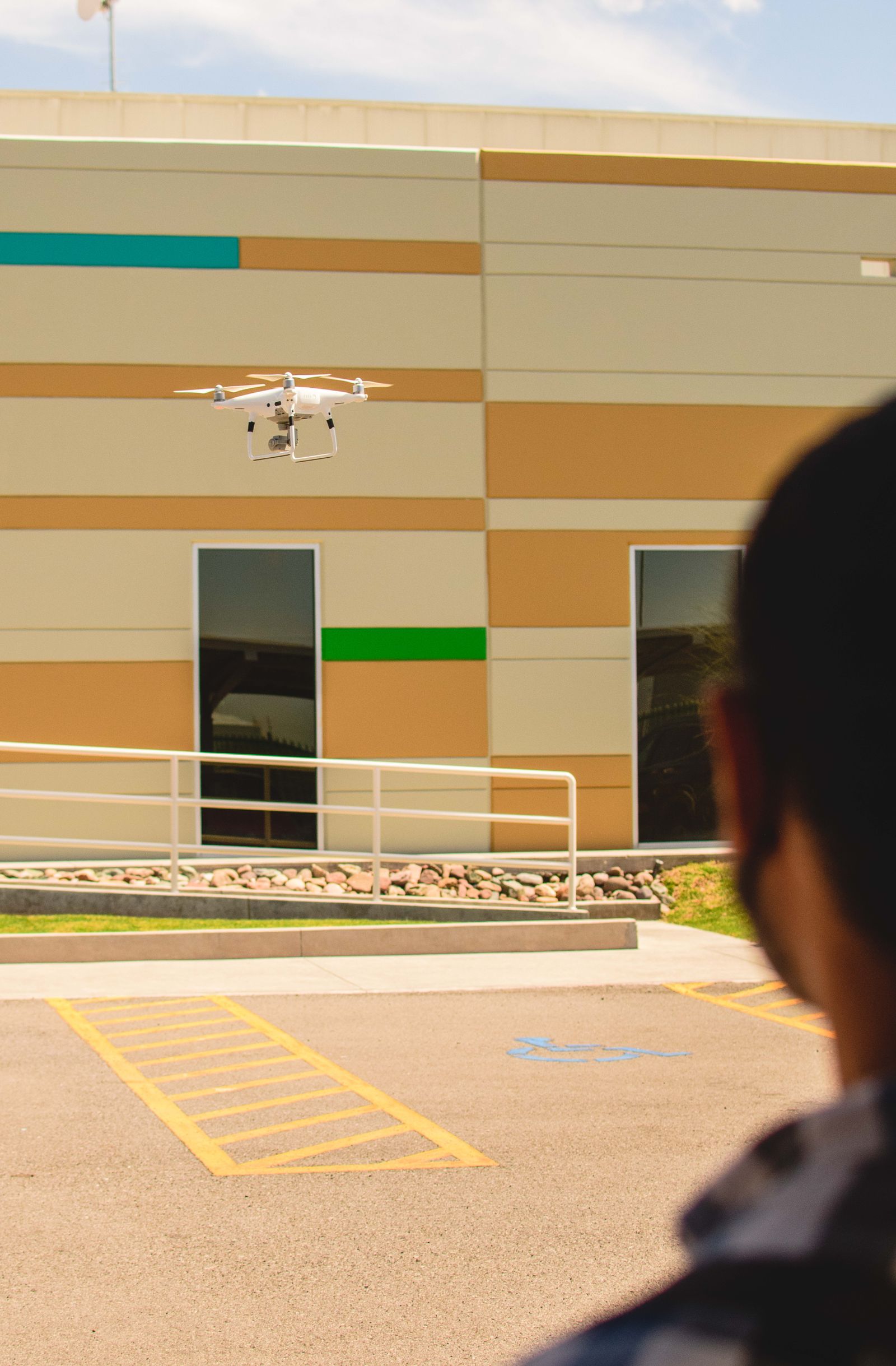
Before application, map public doors, accessible paths, air intakes, cameras, electrical equipment, landscaping, vehicles, roof edges, storm drains, loading areas, and neighboring property. A lift may need a clear bearing surface and traffic separation. A water-fed pole may fit selected glazing but not every textured wall. Drone assistance may be considered for suitable broad upper elevations only when launch and recovery space, visual control, wind, obstacles, people, vehicles, airspace, and ground protection support the operation. The method should be stated by elevation, with a fallback plan for detail work.
Runoff planning should describe where rinse water, loosened soil, salt, and product residue could travel. A curb inlet, landscaped swale, parking-deck drain, detention feature, or low point is not automatic permission to discharge. Depending on the soil and site requirements, controls may involve diversion, collection, recovery, filtration, reduced rinse volume, plant protection, or coordination with the responsible authority. The proposal should record assumptions and stop conditions if flow, weather, or site use differs from the review.
Request a practical Grand Forks quote
Send the property address, building type, approximate height, photos of problem areas, target elevations, preferred dates, water access, drains, tenant restrictions, snow or salt concerns, and the result you need. Ask the provider to identify surfaces, likely deposits, test-area expectations, proposed access, protection, runoff controls, weather triggers, included work, exclusions, and what happens when a mark is actually mineral, oxidation, repair, or drainage-related. That detail gives an owner or facilities manager something useful to compare.
Drone Building Cleaners can discuss offices, medical facilities, retail centers, university-area buildings, hotels, mixed-use properties, warehouses, and industrial sites in Grand Forks. Call +1 239-351-2897 or email contact@dronebuildingcleaners.com to get in touch and request a quote. The next step should fit the building's operating day, not a preset package.